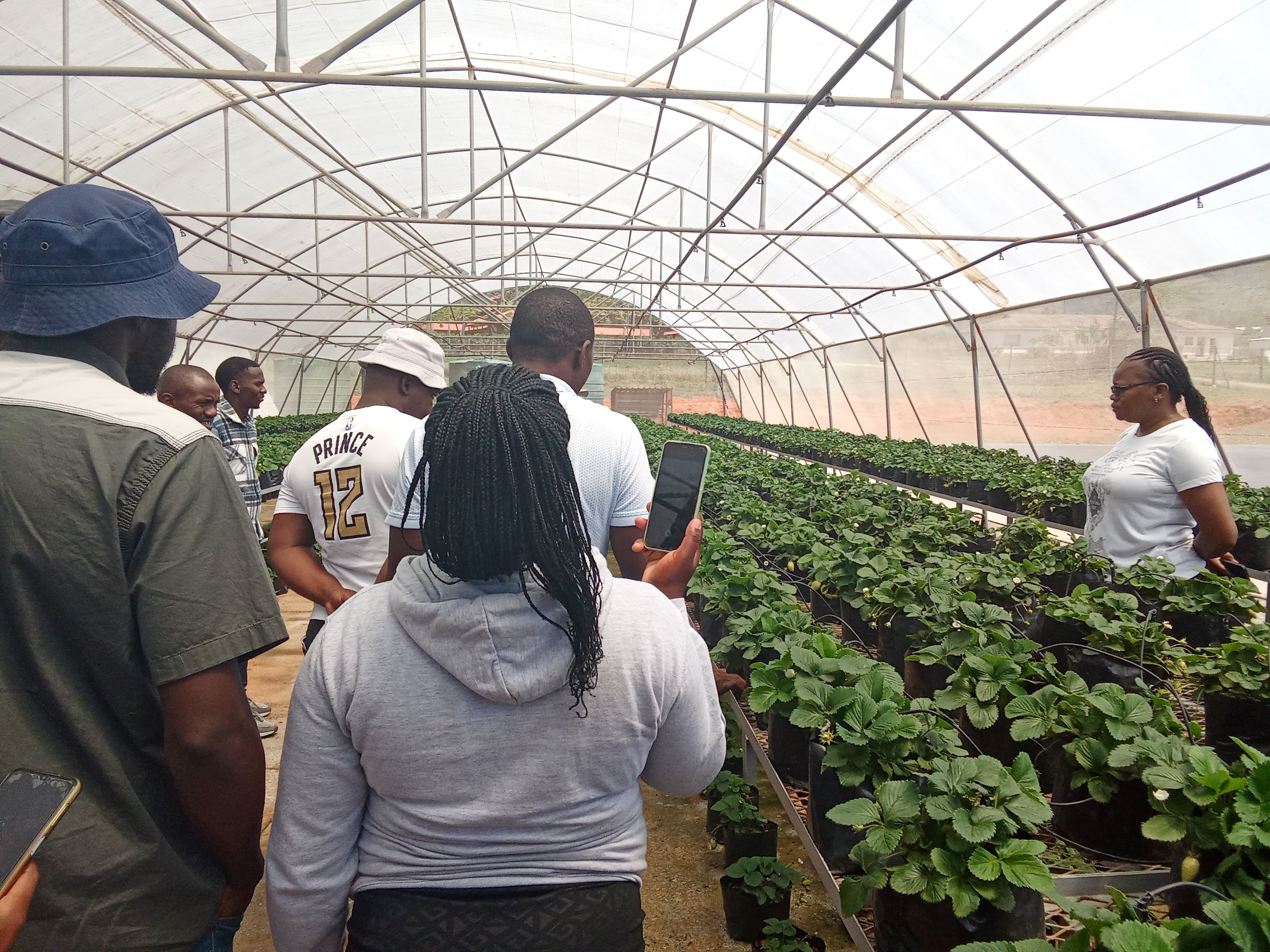
Rural youth
Financial inclusion for rural youth in Eswatini focuses on providing young people in underserved areas with access to tailored financial services, alongside the skills and opportunities to use them effectively. This is critical for tackling the nation's high youth unemployment rate, fostering entrepreneurship, and preventing economic marginalization. Key challenges include a lack of traditional collateral, limited financial literacy, high unemployment, and a mismatch between financial products and the specific needs of young entrepreneurs and job-seekers.
Financial inclusion for rural youth in Eswatini is a pressing national priority, intrinsically linked to the country's economic stability and future development. With a significant portion of the population under the age of 30 and youth unemployment remaining critically high, empowering rural youth economically is not just beneficial but essential to harness the country's demographic dividend and avert social risk.
Key Challenges for Rural Youth:
- The Unemployment and Opportunity Gap: A vast number of rural youth lack formal employment opportunities. Their economic activities are often sporadic, informal, and low-income, making them "unbankable" by traditional standards that require proof of stable income. This lack of a verifiable financial history is a major barrier to accessing credit.
- Collateral and Product Mismatch: Like rural women, youth almost universally lack assets (like land or property) to use as collateral for formal loans. Mainstream financial products are rarely designed for their reality, which might include needing very small, short-term loans (micro-credit) to start a small business or pay for skill-building courses.
- Financial and Digital Literacy: While generally more tech-savvy than older generations, many rural youth have not received formal education on financial concepts like interest rates, savings strategies, or business credit management. This can lead to a distrust of formal financial institutions or poor financial decision-making.
- Digital Divide: Although mobile phone penetration is high, the use of mobile money for more than basic transfers (i.e., for savings, loans, or insurance) is limited. Furthermore, the cost of data and smartphones, combined with unreliable network coverage in some rural areas, can prevent youth from fully leveraging digital financial tools.
Current Initiatives and Progress:
- Youth-Focused Entrepreneurship Programs: Organizations like SEJA (Swaziland Youth Enterprise Fund) and other NGOs provide not only micro-financing but also crucial business development training, mentoring, and support for young entrepreneurs. This "finance-plus" model is vital for ensuring that loans are used effectively and businesses succeed.
- Digital Financial Services (DFS): Mobile money platforms (MTN MoMo and Eswatini Mobile Money) are the primary entry point into the formal financial system for many youth. These platforms are used to receive payments, save small amounts, and are increasingly integrating with microloan and insurance products.
- Skills Development and Linkages: Programs that combine vocational training or digital skills development with financial literacy education and links to financial service providers are emerging. This equips youth with a marketable skill and the knowledge to manage the income it generates.
- Government Strategy: The Eswatini Financial Inclusion Strategy explicitly targets youth, promoting the development of innovative, low-cost financial products that suit their unique needs and risk profiles.
Impact and Importance:
Achieving financial inclusion for rural youth is a powerful catalyst for national development. It enables them to:
- Become Job Creators: Access to capital allows them to transition from job-seekers to entrepreneurs, starting small businesses that also create employment within their communities.
- Invest in Human Capital: They can save and borrow to fund their education, and upskilling, or purchase tools needed for their trades.
- Participate in the Formal Economy: Inclusion helps build a credit history, integrates them into the economic mainstream, and fosters a culture of saving and investment from a young age.
In conclusion, financially including rural youth in Eswatini requires a multi-pronged approach that goes beyond simple access to a bank account. It demands tailored financial products, integrated entrepreneurship training, digital innovation, and a supportive policy environment that recognizes the immense potential of this demographic as the engine of the nation's future economic growth.
