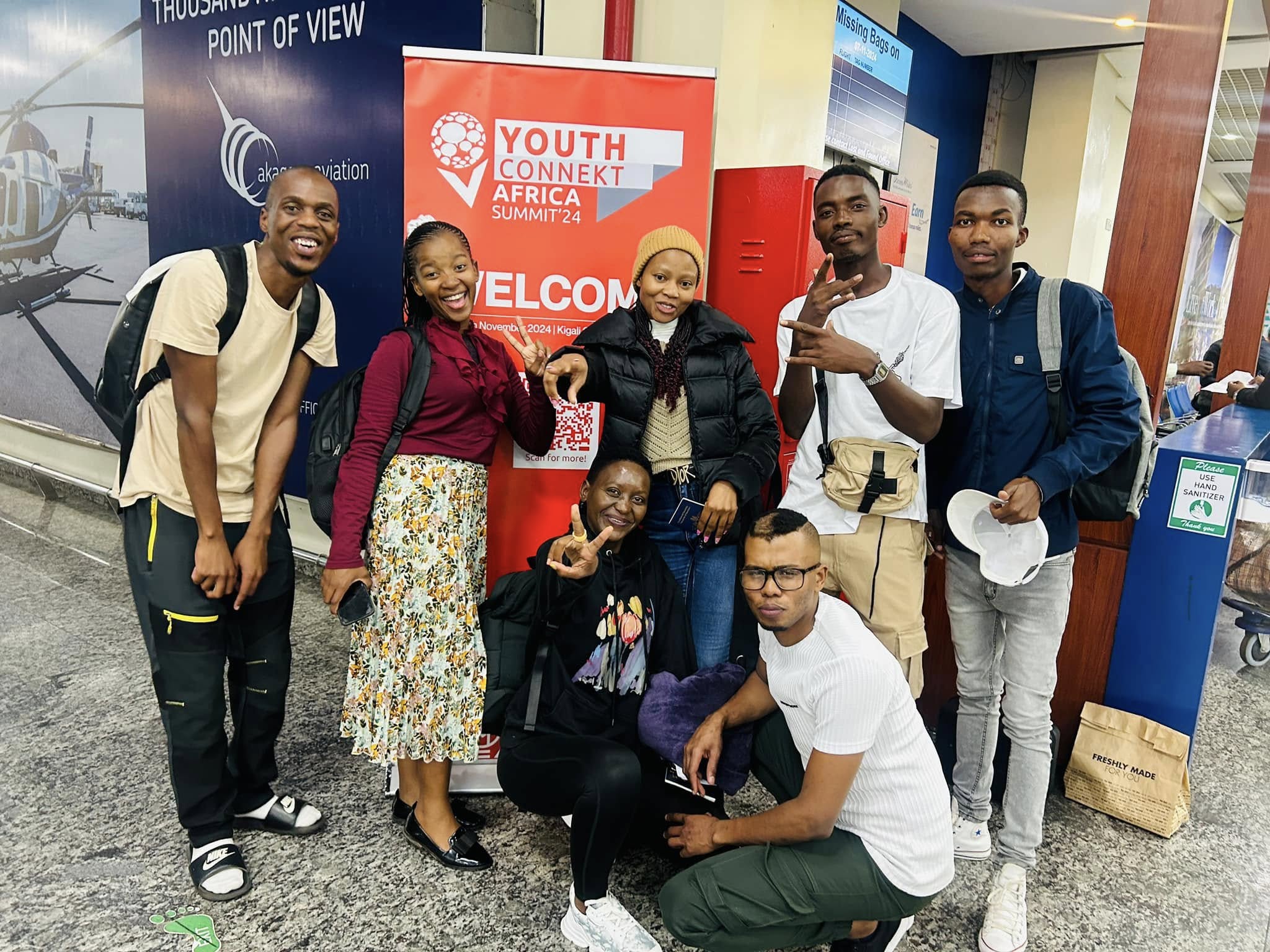
The Youth Angle
"The energy and innovation of our youth are Eswatini's greatest untapped resource. By putting financial tools in their hands, we are not just giving them access to money; we are giving them the power to build the future they deserve."
Look around you. In the bustling streets of Manzini, the tech hubs of Mbabane, and the community halls across our tinkhundla, you will find them: the young, ambitious, and often frustrated youth of Eswatini. They are more connected, more educated, and more innovative than any generation before them. Yet, they face a daunting paradox: brimming with ideas but starved of opportunity, digitally fluent yet financially excluded.
This is our nation’s most pressing challenge and its greatest opportunity. The economic marginalization of our youth is not a standalone issue; it is a symptom of a system that has failed to evolve. Traditional banking, with its paperwork, rigid requirements, and physical branches, feels alien and inaccessible to a generation that operates at the speed of the internet. The result? A vast reservoir of potential—the drivers of tomorrow's economy—is left operating in the risky, cash-only informal sector.
The Barriers: More Than Just a Bank Account
The obstacles are specific and profound:
- The Collateral Conundrum: A brilliant business idea does not come with a deed to a house. Young entrepreneurs lack the assets required for traditional loans, shutting them out before they even begin.
- The Income Proof Problem: How does a university graduate with a freelance gig or a nascent startup prove a stable monthly income? They often can’t, failing a key test for financial products.
- The Financial Literacy Gap: We teach our youth to be employees, not entrepreneurs. Many lack basic knowledge about credit scores, interest rates, savings instruments, and investment—leaving them vulnerable to poor decisions or complete inaction.
- The Physical-Digital Divide: While they live on their phones, many financial services still require a trip to a town, taking time and money they may not have.
The Solution: A Phone in Every Hand, A Bank in Every Pocket
The same device used for social media can be the most powerful financial tool a young LiSwati will ever own. Digital Financial Inclusion is the key that unlocks this potential.
- Mobile Money as a Foundation: Platforms like MTN Momo and Eswatini Mobile are not just for sending airtime. They are a gateway. They can be used to receive payments for services, save small amounts securely, and even access micro-loans based on transaction history rather than collateral. We must advocate for these platforms to evolve, offering more youth-centric products like youth savings accounts with low fees and educational content built into the app.
- Fintech for Entrepreneurship: Imagine a young designer in Nhlangano using a app to get a small loan for a new sewing machine, repaid through a percentage of their daily sales. Or a tech-savvy farmer in Siteki using a platform to sell produce directly to customers and receive instant payment. This is not a distant dream; it’s the reality that fintech can create. We need to support local tech innovators to build solutions for Emaswati, by Emaswati.
- Integrating Finance into Education: Knowledge is the currency of the future. We must capacitate our youth by integrating practical financial literacy into the curriculum of universities and vocational training centers. This isn't just theory; it's hands-on learning about creating business plans, managing cash flow via digital tools, and understanding credit. Partnering with banks and fintech companies to run workshops and competitions can spark a generation of business creators, not just job seekers.
A Call to Action: A Collective Mission
This transformation requires all of us:
- To the Youth: See your phone as your office. Explore financial apps responsibly. Demand better digital products. Form cooperatives and savings groups. Your collective voice is powerful—use it to demand financial systems that work for you.
- To the Government and Regulators: Create a "regulatory sandbox" that allows fintech startups to test new ideas safely. Incentivize financial institutions to develop products for the youth market. Lead by digitizing youth-centric government payments.
- To Financial Institutions: Look beyond traditional metrics. Develop algorithms that assess creditworthiness based on mobile money activity, educational background, and project viability. Invest in financial education; an informed customer is a lifelong customer.
Investing in the financial inclusion of our youth is the smartest investment Eswatini can make. It is how we turn the tide of unemployment into a wave of entrepreneurship. It is how we build a resilient, digitally-native economy that can compete on the global stage. Let us provide them not with handouts, but with the tools to build their own futures. The energy is there. The ideas are there. It is time we gave them the means.
Let us build a system worthy of their potential.
Other Editorials